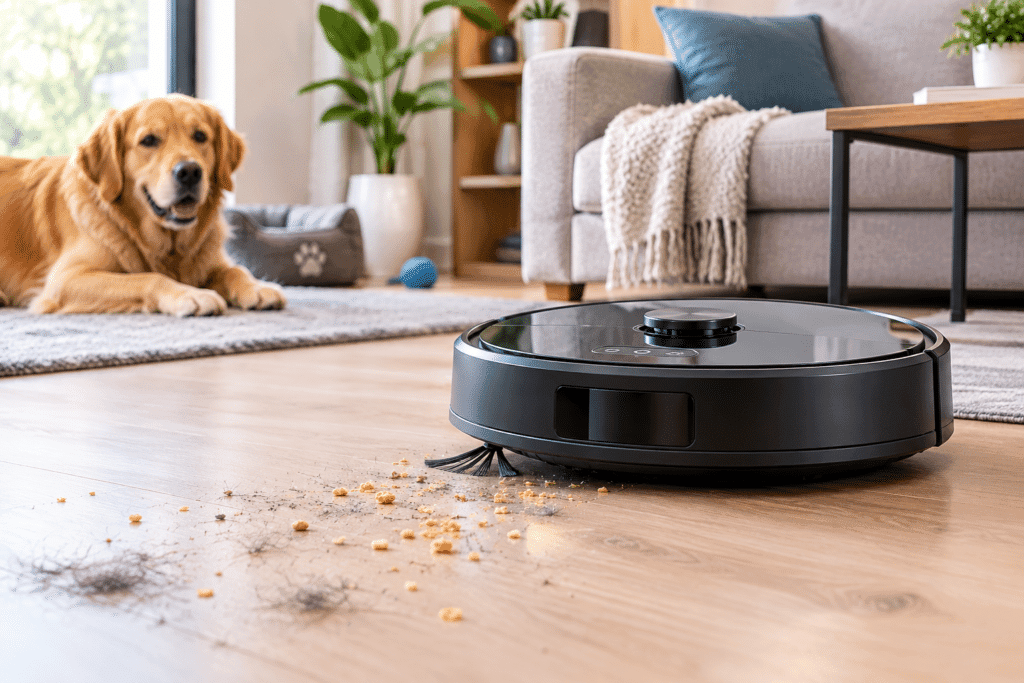
Keeping floors clean is rarely about one big mess. In most homes, dirt builds up through small everyday activities that are easy to overlook. A few crumbs fall during breakfast, dust enters through the front door, pet hair collects around furniture, and tiny particles gradually settle in corners and underneath tables. By the time the floor looks noticeably dirty, several days of small messes may already have accumulated. This is one reason a robot vacuum can be useful as part of a regular home cleaning routine. Instead of waiting until the floor needs a major cleaning session, an automated cleaner can help deal with everyday debris more consistently.
The difference becomes especially noticeable in homes where floors receive constant traffic. Kitchens, hallways, living rooms, entrances, and dining areas can collect debris much faster than rooms that are rarely used. Traditional vacuuming requires someone to notice the buildup, find the equipment, move it around the home, and spend time cleaning each area. Automated floor cleaning approaches the problem differently by allowing routine cleaning to happen according to a schedule. Anker Canada’s current robot cleaner collection includes various eufy models designed around automated vacuuming, mopping, navigation, scheduling, and other hands-free cleaning functions, depending on the model.
This approach does not mean that traditional cleaning has become unnecessary. Some areas will always require manual attention, especially stairs, tight spaces, furniture surfaces, and unexpected spills. The practical advantage is that everyday floor debris can be handled before it becomes a larger chore. When routine cleaning happens more frequently, the amount of dirt waiting for a weekend cleaning session can be reduced, making the overall maintenance of the home easier to manage.
The Mess That Appears Between Cleaning Sessions
Most floor dirt follows a predictable pattern. People walk through the house carrying particles from outside, food creates crumbs in dining areas, pets shed hair throughout the day, and dust naturally settles on exposed surfaces. None of these activities necessarily creates a major cleaning emergency. The problem is the accumulation that takes place when several small sources of debris continue operating every day.
This is particularly noticeable in rooms that connect directly to one another. An entrance can introduce dirt into a hallway, which then connects to a living room or kitchen. Once loose particles are moved around by foot traffic, they can spread much farther than the place where they originally entered the home. Regular floor cleaning can interrupt this process by removing debris before it has enough time to become widespread.
For busy households, this changes the purpose of vacuuming. Instead of using a vacuum only when floors look dirty, homeowners can think of floor cleaning as routine maintenance. A scheduled automated session can deal with the smaller amounts of debris that appear throughout the week, while deeper manual cleaning can be reserved for occasions when it is genuinely needed.
Why a Robot Vacuum Helps in High-Traffic Areas
Not every room in a house becomes dirty at the same speed. A guest room that is rarely used may remain clean for several days, while the kitchen and hallway can become noticeably dusty within a much shorter period. Treating every room exactly the same can therefore make cleaning less efficient.
High-traffic areas usually deserve more frequent attention because they experience more movement and activity. The kitchen may collect food particles, the hallway can gather dust from footwear, and living rooms can accumulate hair, crumbs, and other small debris throughout the day. These areas can benefit from being included in a consistent automated cleaning schedule.
The advantage of this approach is not simply convenience. Frequent removal of small amounts of dirt can prevent those particles from being redistributed across the home. Instead of allowing several days of debris to accumulate and then spending a long period removing it, smaller cleaning sessions can keep the baseline level of floor dirt more manageable.
How a Robot Vacuum Handles Pet Hair
Homes with pets often have a different relationship with floor cleaning. Hair can appear even when nobody has dropped anything or walked through the house with dirty shoes. Cats and dogs naturally shed, and loose hair can collect along walls, underneath furniture, around beds, and in other areas where it is easy to overlook.
Waiting for visible accumulation can make pet-related cleaning more demanding. By that point, hair may have already moved across several rooms through normal household activity. Regular automated cleaning can help address this type of recurring debris without requiring someone to manually vacuum every time hair becomes visible.
The right equipment still depends on the individual home. Floor type, hair length, furniture arrangement, brush design, suction performance, and maintenance requirements can all influence results. Anker Canada’s collection includes different eufy cleaning systems, giving homeowners several configurations to consider depending on whether their main concern is routine dust, pet hair, hard floors, carpets, mopping, or a combination of these requirements.
How a Robot Vacuum Can Combine Vacuuming and Mopping
Dust and loose debris are not the only things that make floors look untidy. Kitchens and dining spaces can also experience small spills, light marks, and residue that cannot be addressed through dry vacuuming alone. This is where combined vacuum-and-mop systems can become useful for homes with hard flooring.
Some of the models in Anker Canada’s collection combine vacuuming and mopping functions, while advanced Omni systems are designed to automate more of the cleaning process. The exact features vary by model, but the general idea is to reduce the number of separate steps required for regular floor maintenance.
This can be especially useful in homes where the kitchen and dining area receive heavy daily use. Vacuuming can remove loose crumbs and debris, while an appropriate mopping function can deal with suitable surface-level dirt afterward. Homeowners should still check whether a particular floor material is compatible with automated mopping and follow the flooring manufacturer’s care instructions.
The Areas You Do Not Notice Until You Move the Furniture
One of the more difficult aspects of traditional floor cleaning is reaching the spaces underneath furniture. Sofas, beds, cabinets, tables, and other objects can create large areas where dust gradually collects. These spaces are often ignored simply because moving furniture every few days is impractical.
A compact automated cleaner can make these areas easier to include in a routine when the machine has sufficient clearance and suitable navigation capabilities. Instead of requiring someone to move a sofa or bed during every cleaning session, the machine can potentially travel underneath the furniture and collect accessible debris.
Of course, the layout of every home is different. Low furniture, cables, toys, narrow gaps, and other obstacles can limit where an automated cleaner can travel. The useful approach is to consider the machine’s physical dimensions and navigation capabilities alongside the actual layout of the home rather than assuming that automation will reach every hidden area.
What Makes an Automated Cleaning Routine Practical
The usefulness of automated floor cleaning comes from consistency rather than simply having more technology in the house. A machine that is difficult to maintain, frequently interrupted, or unsuitable for the home’s floor types may not provide much practical value regardless of how impressive its specifications appear.
Before choosing a model, homeowners should consider these everyday factors:
- Floor surfaces: Identify whether the home mainly has hardwood, tile, laminate, carpet, rugs, or a combination.
- Traffic levels: Kitchens, entrances, hallways, and living rooms may need more frequent cleaning than low-use rooms.
- Pet hair: Homes with cats or dogs may require stronger attention to recurring hair and debris.
- Furniture clearance: Check whether the machine can physically reach underneath important furniture.
- Mopping requirements: Decide whether regular wet cleaning is actually needed.
- Automation features: Scheduling, app controls, charging, self-emptying, and other features can affect daily convenience.
- Maintenance: Filters, brushes, dust containers, mop components, and other parts still require attention.
These considerations help turn a general product search into a household-specific decision. A family with children and pets may have completely different priorities from someone living alone in a small apartment with mostly hard flooring.
Why Scheduling a Robot Vacuum Matters
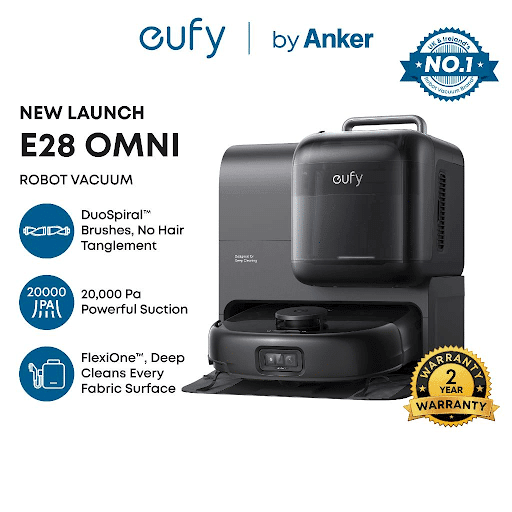
One of the biggest differences between manual and automated cleaning is the ability to make cleaning part of the household schedule. Manual vacuuming often depends on remembering to do it and finding a suitable block of time. If a busy day gets in the way, cleaning may simply be postponed.A robot vacuum can help address that cycle by making routine floor maintenance more consistent.
Scheduling changes that dynamic. On compatible models, homeowners can establish regular cleaning sessions so that routine floor maintenance happens without requiring the same level of daily decision-making. This can be useful in homes where the amount of dirt remains relatively predictable.
A scheduled cleaning routine can also make the home easier to manage before weekends, guests, or other busy periods. Rather than starting a large cleaning session after several days of accumulated debris, homeowners can maintain the floors gradually throughout the week and then focus their manual effort on areas that actually need it.
Choosing a Cleaner Around Your Home Instead of the Other Way Around
Product specifications can make it tempting to choose the machine with the largest numbers or the longest list of features. In practice, however, a cleaning system is most useful when its capabilities match the environment where it will operate.
For example, a home with several rugs may require different capabilities from a home with mostly smooth hard floors. A household with pets may prioritize hair pickup, while another household may care more about mopping and automated maintenance. Someone living in a compact apartment may also have different navigation requirements from someone managing a larger multi-room property.
Anker Canada’s current collection contains a range of eufy models, including Omni systems and other robot cleaners with different combinations of vacuuming, mopping, navigation, suction, and automation features. Comparing those differences against the actual needs of the home can help homeowners avoid paying attention to specifications that have little practical relevance to their daily cleaning routine.
How Consistent Cleaning Changes the Amount of Work
The real benefit of automated floor cleaning becomes easier to understand when looking at the entire week rather than one cleaning session. If a floor receives regular attention, each individual session has less accumulated debris to deal with. That can make the maintenance process feel less demanding.
This is particularly valuable for households where cleaning time is limited. Someone who works long hours may not want to spend an entire evening vacuuming after several days of buildup. A consistent automated routine can handle part of that repetitive work while leaving deeper cleaning tasks for a more convenient time.
The same principle applies to households with children. Toys, food crumbs, and everyday activity can create frequent floor messes, making constant manual vacuuming impractical. Automation does not prevent the mess, but it can reduce how long that mess remains on the floor.
Where Manual Cleaning Still Has a Role
Automation works best when its limits are understood. A floor cleaner is designed for accessible floor surfaces, not every cleaning task in a home. Stairs, shelves, countertops, upholstery, tight corners, and many other areas still require different equipment and methods.
There are also situations where immediate manual cleaning is more appropriate. A significant spill, sticky substance, broken object, or unusual debris should not simply be left for an automated device to handle. Homeowners should always follow the manufacturer’s instructions and use appropriate cleaning methods for the specific material involved.
The practical goal is therefore not to eliminate manual cleaning. It is to reduce the repetitive floor-maintenance workload so that manual effort can be directed toward tasks that genuinely require it.
Final Thoughts
The everyday mess between major cleaning sessions is often made up of small things rather than one obvious source of dirt. Dust enters through doors, crumbs fall during meals, pets shed, and people naturally move particles around the home. Left alone, these small sources gradually turn into a larger cleaning job.
When combined with suitable scheduling, navigation, vacuuming, and, where appropriate, mopping capabilities, automated cleaning can reduce the amount of everyday debris that accumulates between deeper cleaning sessions.
The most useful approach is to choose technology according to the actual home. Floor type, traffic, pets, furniture, room layout, and desired level of automation all matter. When those factors are considered carefully, automated floor cleaning becomes less about owning a futuristic appliance and more about creating a practical routine that keeps everyday mess from becoming a bigger job.
FAQs
Can a robot vacuum handle everyday crumbs?
Many models are designed to collect common household debris such as crumbs, dust, and loose particles. Performance depends on the model, floor type, debris size, and cleaning settings.
Is a robot vacuum useful in a home with pets?
It can be useful for regular removal of pet hair and everyday debris. Homes with pets should compare models based on their brush design, suction capability, floor compatibility, and maintenance requirements.
Can these cleaners work on both carpets and hard floors?
Some models are designed to work across multiple floor surfaces, but capabilities vary. It is important to check the manufacturer’s specifications for carpets, rugs, hardwood, tile, and other surfaces in the home.
Do all robot cleaners include mopping?
No. Some focus primarily on vacuuming, while others combine vacuuming and mopping. Features can vary significantly between models.
Does automated cleaning eliminate the need for manual vacuuming?
Not completely. Automated cleaning is best used for routine floor maintenance, while stairs, difficult corners, furniture surfaces, spills, and deeper cleaning tasks may still require manual attention.
How often should automated floor cleaning be scheduled?
The ideal frequency depends on household traffic, pets, children, flooring, and the amount of daily debris. A high-traffic home may need more frequent routine cleaning than a quieter household.
What should homeowners consider before buying one?
The most useful factors include floor type, home layout, furniture clearance, pet hair, cleaning frequency, mopping requirements, navigation, automation features, and ongoing maintenance.