
Introduction
Managing a construction budget can be challenging, especially when material prices fluctuate, labor requirements change, and unexpected problems arise. Whether planning a residential property or a commercial development, controlling expenses requires careful preparation and consistent monitoring. With realistic estimates, organized purchasing, and clear communication, project teams can reduce waste, avoid unnecessary delays, and maintain quality without overspending.
Create a Realistic Budget Before Starting
The first step toward controlling building costs is preparing a detailed budget before work begins. A reliable estimate should cover materials, labor, equipment, permits, transportation, and other expenses associated with the project. Ignoring smaller costs can create significant financial pressure once construction is underway.
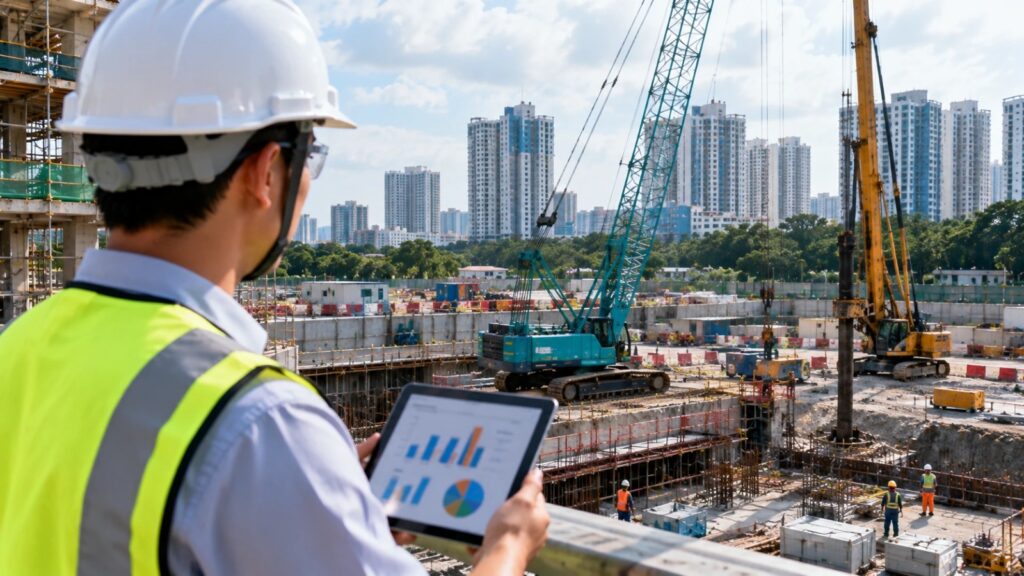
During the planning stage, Construction Tracking Software can help project teams monitor budgets, record expenses, and compare actual spending with initial estimates. This visibility makes it easier to recognize cost increases early and investigate their causes before they affect the entire project.
It is also wise to include a contingency allowance for unexpected expenses. Hidden structural problems, weather disruptions, or changes in material availability may require additional spending. A suitable reserve helps project owners manage these situations without immediately compromising essential work.
Plan the Project in Detail
Poor planning often leads to rushed decisions, wasted materials, and expensive schedule changes. Before construction begins, project managers should establish the scope of work, confirm design requirements, and create a realistic timeline for each stage.
A detailed plan should identify which tasks depend on others. For example, electrical installation must be coordinated with other building activities to prevent workers from having to repeat completed work. Clear sequencing reduces confusion and helps teams use their time more effectively.
Before approving the schedule, consider:
- Which activities must be completed first?
- When will materials and equipment be needed?
- Are enough qualified workers available?
- Which tasks could be affected by weather?
- How will delays be communicated and managed?
Reviewing these questions early helps teams anticipate challenges rather than responding to every problem at the last minute.
Compare Suppliers and Purchase Materials Wisely
Materials can represent a substantial portion of construction expenses, so purchasing decisions deserve careful attention. Choosing the lowest-priced supplier may seem attractive, but poor quality, unreliable delivery, or high transportation charges can increase total project costs.
Request quotes from several reputable suppliers and compare the complete offer, including product specifications, delivery schedules, warranties, and payment terms. Negotiating prices for larger orders may also provide savings when quantities and storage arrangements are suitable.
Buying materials in excessive quantities should be avoided. Unused supplies can become damaged, occupy valuable space, or remain unused after project requirements change. Instead, coordinate deliveries with the construction schedule and maintain accurate inventory records.
Reduce Waste and Rework
Material waste and repeated work can quickly increase a building project’s expenses. Incorrect measurements, unclear drawings, careless storage, and rushed installation may cause materials to be discarded or tasks to be completed more than once.
To prevent these problems, teams should verify measurements before cutting materials, protect supplies from moisture and damage, and confirm specifications before installation. Regular site inspections can identify mistakes while they are still relatively inexpensive to correct.
Simple practices can make a meaningful difference:
- Store materials according to their handling requirements.
- Keep work areas organized and accessible.
- Check deliveries against purchase orders.
- Confirm dimensions before ordering or cutting.
- Address workmanship issues as soon as they appear.
Quality should remain a priority throughout construction. Cutting corners on structural components or essential safety measures can create expensive problems and put people at risk. Sustainable savings come from doing the work correctly the first time.
Manage Labor and Equipment Efficiently
Labor expenses depend on more than hourly wages. Delays, unclear responsibilities, idle equipment, and poor coordination can increase the number of hours required to complete a project.
Project managers should assign responsibilities clearly and ensure workers have the materials, instructions, and equipment needed for their tasks. Short coordination meetings can help teams identify upcoming requirements and avoid unnecessary interruptions.
Equipment should also be scheduled according to actual project needs. Renting specialized machinery may be more economical than purchasing it for occasional use, while maintaining owned equipment can help prevent costly breakdowns.
Regularly reviewing labor hours and equipment usage allows managers to identify recurring inefficiencies. The goal is to improve coordination and productivity, not to impose unrealistic workloads or sacrifice safe working conditions.
Use Digital Tools to Monitor Expenses
Accurate records help project teams understand where money is being spent. Digital systems can bring together budgets, purchase orders, invoices, schedules, and progress updates, reducing the need to reconcile multiple disconnected spreadsheets.
For example, SaaS software may offer cloud-based access to project information, allowing authorized team members to review updates from different locations. Depending on the platform, these tools can simplify reporting, improve communication, and help managers identify budget variances sooner.
Before adopting a digital system, compare its features, security protections, ease of use, and ongoing costs. Employees should receive appropriate training, and the system should match the size and complexity of the project.
Technology is most effective when information is entered accurately and reviewed regularly. A dashboard cannot prevent overspending if purchase records are incomplete or managers ignore warning signs.
Control Design Changes and Unexpected Expenses
Changes during construction can affect material quantities, labor requirements, schedules, and approval processes. Even a small design adjustment may create additional work if it requires completed sections to be modified.
Whenever possible, finalize important design decisions before construction begins. If a change becomes necessary, evaluate its cost, schedule impact, and technical implications before authorizing the work.
Maintain written records of approved changes, updated estimates, and relevant communications. This process helps prevent misunderstandings and gives project owners a clearer understanding of why costs have changed.
Unexpected issues cannot always be avoided, but prompt assessment and organized decision-making can limit their financial impact.
Monitor Progress and Review the Budget Regularly
A construction budget should be reviewed throughout the project rather than only when invoices arrive. Comparing planned costs with actual expenses helps managers spot problems while corrective action is still possible.
Schedule regular reviews of material spending, labor costs, outstanding orders, and completed work. Investigate significant differences and update forecasts when circumstances change. Sharing concise reports with relevant stakeholders also helps everyone understand the project’s financial position.
Conclusion
Controlling building costs requires realistic budgeting, careful scheduling, reliable suppliers, and consistent oversight. By reducing waste, coordinating labor, monitoring expenses, and reviewing changes promptly, project teams can make informed decisions. Combining practical planning with suitable technology helps protect budgets while maintaining construction quality, safety, and long-term value.