Modern manufacturing facilities monitor thousands of data points across machines, production lines, and utility systems every second. Transforming this constant stream of information into actionable insights requires powerful tools that help operators see, understand, and respond to changing conditions in real time. This is where SCADA HMI systems play a critical role. These technologies convert complex industrial data into intuitive visual displays, allowing operators to maintain efficiency, improve quality, and reduce operational risks. Without them, managing large-scale manufacturing processes would be far more challenging and prone to errors.
Understanding SCADA and HMI Technology
SCADA stands for Supervisory Control and Data Acquisition, while HMI refers to Human Machine Interface. Although they serve different purposes, they work together to provide visibility and control throughout a manufacturing operation.
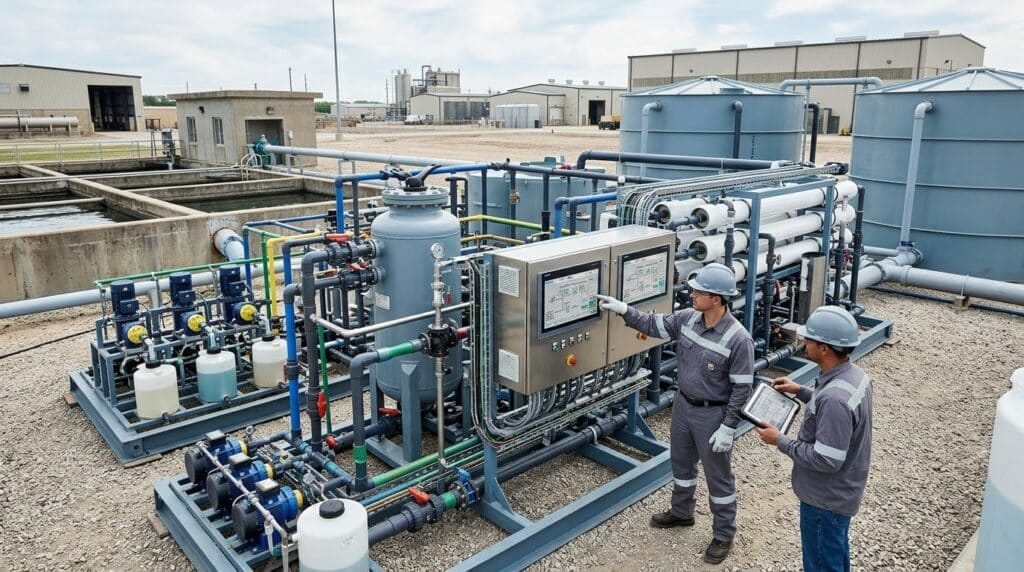
SCADA systems collect data from industrial equipment, sensors, controllers, and production processes across a facility. This information is then transmitted to centralized servers where it can be processed, stored, and analyzed. HMI technology serves as the visual interface that presents this information to operators through dashboards, control panels, and graphical displays.
At the foundation of a SCADA system are programmable logic controllers (PLCs), remote terminal units (RTUs), and sensors. These devices continuously monitor critical variables such as temperature, pressure, machine speed, flow rates, and equipment status. The data travels through industrial communication networks to a central platform, where it is transformed into easy-to-understand visual representations.
This layered structure makes it possible for operators to monitor complex manufacturing processes efficiently while maintaining a clear view of overall system performance.
Enabling Real-Time Monitoring and Faster Decision-Making
Manufacturing teams face constant pressure to maximize productivity while minimizing downtime. SCADA HMI systems provide the real-time visibility needed to achieve these goals.
By displaying operational information as charts, status indicators, alarms, and trend graphs, HMI dashboards allow operators to quickly identify unusual conditions. For example, if a conveyor system begins to experience abnormal vibration levels, the system can immediately generate an alert. Operators can investigate and address the issue before it develops into a major equipment failure.
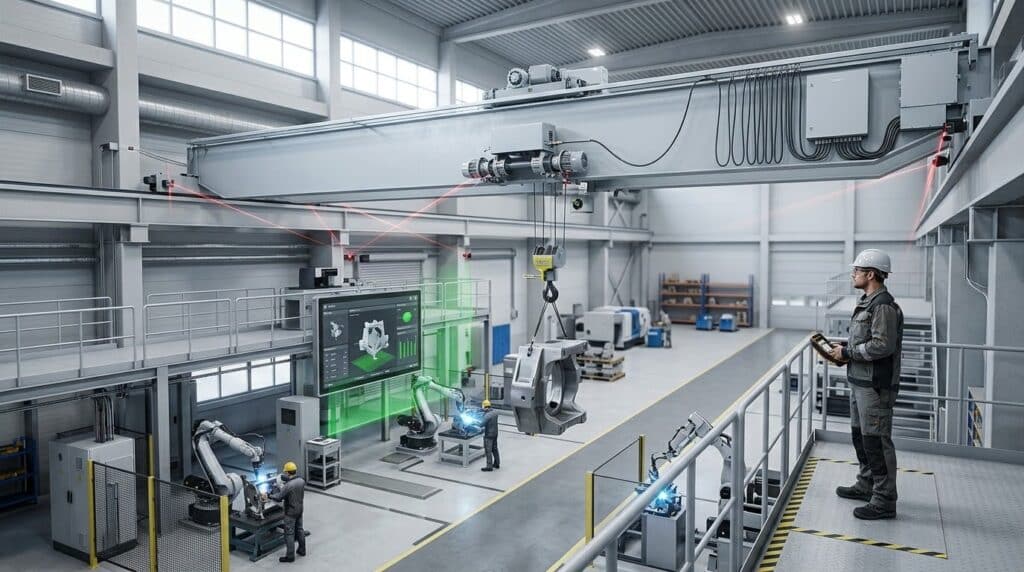
The visual nature of HMI interfaces significantly improves situational awareness. Instead of sorting through large amounts of raw data or navigating multiple software platforms, operators can view key information in one centralized location. Color-coded indicators, trend charts, and alarm notifications help them understand system conditions at a glance.
This rapid access to information improves response times and supports better decision-making. In environments where even brief interruptions can result in substantial financial losses, the ability to react quickly can have a major impact on operational performance.
Additionally, operators can make process adjustments directly through the HMI interface, enabling responsive control over production parameters and helping maintain consistent product quality.
Supporting Predictive Maintenance and Equipment Reliability
Equipment reliability remains one of the most important factors affecting manufacturing success. Unexpected breakdowns can disrupt production schedules, increase maintenance expenses, and impact customer satisfaction.
SCADA HMI systems support predictive maintenance strategies by continuously monitoring equipment performance and identifying warning signs before failures occur. Data such as bearing temperatures, vibration levels, motor currents, and operating cycles can reveal gradual changes that indicate equipment deterioration.
Rather than waiting for a failure to occur, maintenance teams can use these insights to schedule inspections and repairs during planned downtime. This proactive approach helps reduce emergency maintenance events while extending equipment lifespan.
Historical data collected by SCADA systems also provides valuable information for maintenance planning. Engineers can analyze performance trends over weeks, months, or even years to identify recurring issues and optimize maintenance schedules.
Organizations that leverage historical operational data often experience improved equipment availability, reduced downtime, and lower overall maintenance costs. Detailed performance records also support more informed decisions regarding equipment upgrades, replacements, and capital investments.
Enhancing Quality Control and Regulatory Compliance
Quality assurance and regulatory compliance are critical priorities for manufacturers across many industries, including pharmaceuticals, food and beverage processing, and automotive production.
SCADA HMI systems help organizations meet these requirements by automatically documenting production conditions and process parameters. Every critical measurement can be recorded with accurate timestamps, creating a detailed audit trail for production activities.
For example, manufacturers can verify that specified temperatures, pressures, and processing conditions were maintained throughout an entire production cycle. This level of documentation supports quality assurance programs while helping organizations meet regulatory requirements.
Automated data collection also reduces reliance on manual recordkeeping. Traditional paper-based processes can introduce errors, missing information, and inconsistencies that complicate audits and investigations. By automatically capturing operational data, manufacturers improve accuracy, consistency, and traceability.
Facilities that depend on detailed production records often utilize SCADA software to streamline documentation and maintain reliable records for audits and compliance reviews.
When quality issues occur, historical records allow teams to trace events back to specific operating conditions, supporting faster root cause analysis and helping prevent similar issues in the future.
Preparing for the Future of Manufacturing
As Industry 4.0 initiatives continue to expand, SCADA HMI systems are evolving alongside emerging technologies. Modern platforms increasingly integrate with cloud-based analytics, industrial internet of things (IIoT) devices, and advanced reporting tools to provide deeper operational insights.
Manufacturers can use these integrations to analyze production data across multiple facilities, identify trends, and uncover optimization opportunities that may not be visible through traditional monitoring methods alone.
Many modern systems also support artificial intelligence and machine learning applications that can analyze operational data, detect anomalies, and recommend performance improvements. As manufacturing environments become increasingly connected, these capabilities help organizations gain even greater value from their operational data.
Remote access has become another important advancement. Facility managers, engineers, and maintenance personnel can monitor production systems from mobile devices, laptops, or remote workstations. This flexibility allows key stakeholders to respond quickly to alerts and maintain visibility into operations regardless of their physical location.
The scalability and adaptability of modern SCADA HMI platforms ensure they can support future growth while continuing to meet evolving operational requirements.
Conclusion
SCADA HMI systems have become essential components of modern manufacturing operations. By combining powerful data collection capabilities with intuitive visual interfaces, they provide the visibility and control needed to manage complex industrial processes efficiently.
These systems support real-time monitoring, improve decision-making, enhance predictive maintenance efforts, strengthen quality control programs, and simplify regulatory compliance. They also provide the flexibility required to integrate with emerging technologies and support future manufacturing initiatives.
As production environments continue to grow more sophisticated, SCADA HMI technology will remain a critical tool for organizations seeking greater efficiency, reliability, and operational excellence.